Thoughts on CLOVER HENDRY’S DAY OFF

starstarstarstar outlinestar outline

Thoughts on ON THE PLUS SIDE

starstarstarstar outlinestar outline

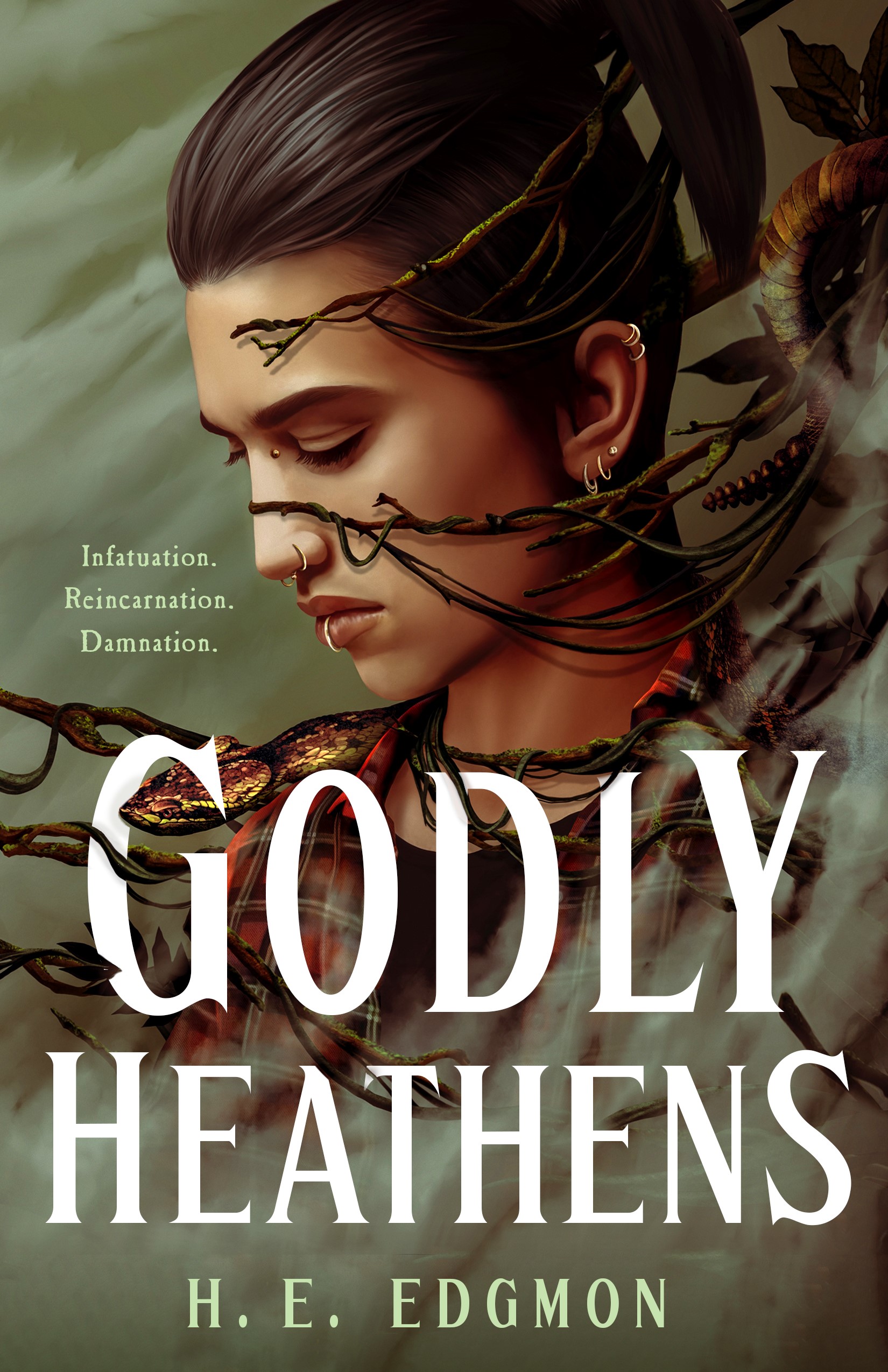
Thoughts on GODLY HEATHENS

starstarstar outlinestar outlinestar outline

Thoughts on MURDER UNCORKED

starstarstar outlinestar outlinestar outline

Thoughts on MURDER IN AN ITALIAN VILLAGE

starstarstarstar outlinestar outline

September Books

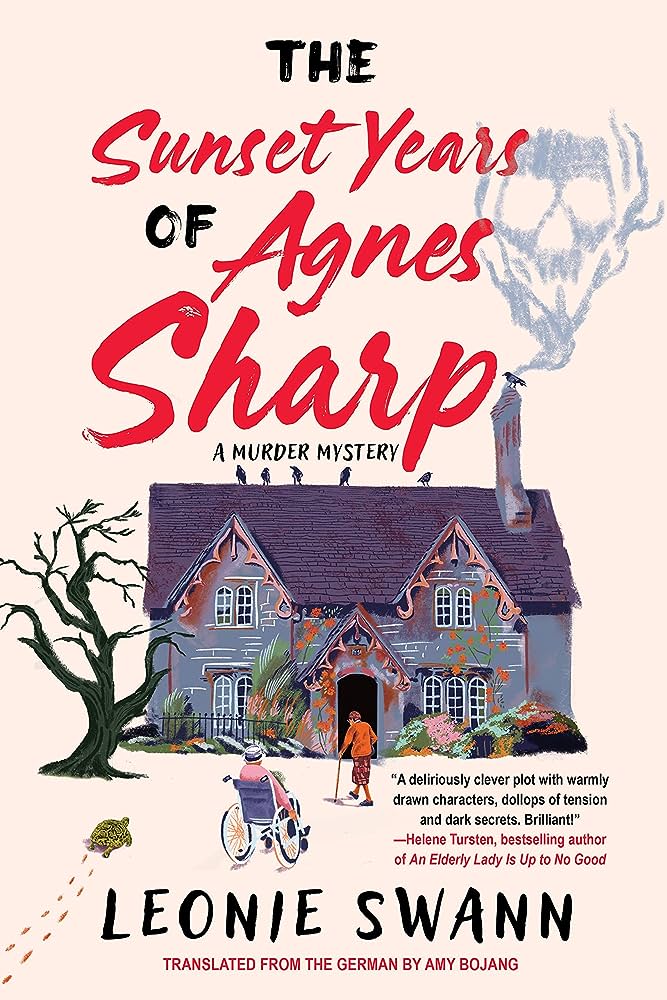
Thoughts on THE SUNSET YEARS OF AGNES SHARP

starstarstarstar outlinestar outline

Thoughts on THE WITCH HITCH

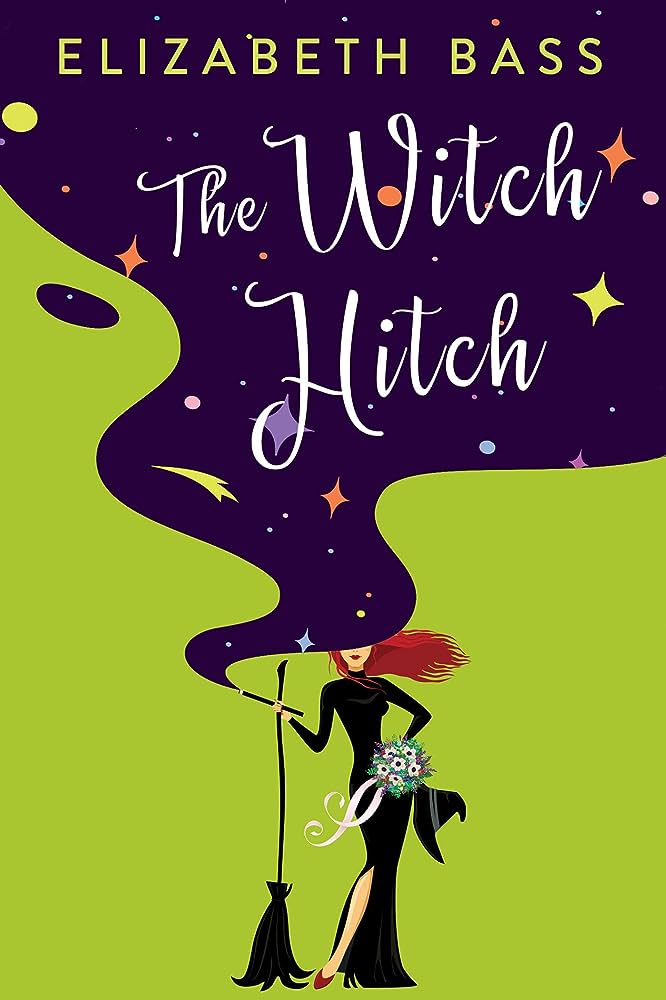
Howdy, howdy! How’s everyone doing this last Wednesday of July? Things here are mostly okay. But it’s book review time, so let’s get to that! This month, in a panic since the other book I’d chosen moved up a week, I decided on something that seemed relatively quick and cute. The Witch Hitch by Elizabeth Bass was released on the 25th by Kensington Books. I didn’t realize it was the second in a series until I was halfway through, so remember that I’m coming at it without having read the first book. Anyway, as usual, I must thank Kensington Books and NetGalley for access to an ARC in exchange for an honest and unbiased review. Let’s do it!

The Witch Hitch follows Bailey Tomlin as she prepares for her upcoming wedding. All she has to do is pick a dress. Easy, right? Not so much. And the wedding preparations are only complicated even more when her birth mother shows up. What a witch! Throw in a blast from the past (1930 to be exact), a pompous parrot, and a wicked witch of the aether and the wedding jitters just explode.

Like I said, I went into this not knowing it was a sequel. It reads just fine on its own. The only reason I discovered it was a sequel was because I glanced at the “also by…” section. I’m not even sure if the events of the first book come up here or if it’s one of those series that are only connected by the setting. The whole wicked witch in the aether thing could’ve come from book one, but it’s explained in a way so it doesn’t really matter if you’ve read book one or not.

As far as the plot goes, it was convoluted. There’s a wedding. The groom’s ex is still in the picture and she’s insane. The bride’s birth mother shows up and informs the bride that that entire side of the family are witches. A new love interest is pulled from 1930. An evil witch with no body is causing mayhem. And that’s just part of the drama. There’s too much going on and nothing really has room to breathe in this book. It’s very clunky. The romance part feels forced and unnatural. All of the relationships feel that way, actually. With everything going on, there isn’t time for feelings to build naturally in the story, so instead of a growing attraction to Seton (or warming to Esme and the cousins, or gradual detachment from Wes, etc.), we get random bounces of emotion that make no sense.

The characters are all cute, if somewhat flat. None of them do anything surprising or out of the box. They’re all very much the cookie cutter stereotypes they’re meant. There’s nothing wrong with that. It makes for a quick and cute read, but it also means that I’m not particularly invested in what happens to them. I couldn’t even remember most of their names while I was writing this if I’m being honest. But all the expected roles were there, so it wasn’t a bad story.

There wasn’t anything noteworthy about the writing. It was cute and quick despite the plot being clunky. Not a bad little read in the end.

Ultimately, I enjoyed The Witch Hitch for what it was, but have zero desire to search for other books in the series. It’s just not my cup of tea.

starstarstarstar outlinestar outline

Overall, I gave it 3 out of 5 stars. If you like cheesy romances and don’t mind a cluttered plot, check it out. But you’re not missing much if you skip it.

Thoughts on SAVE THE CAT! WRITES A YOUNG ADULT NOVEL

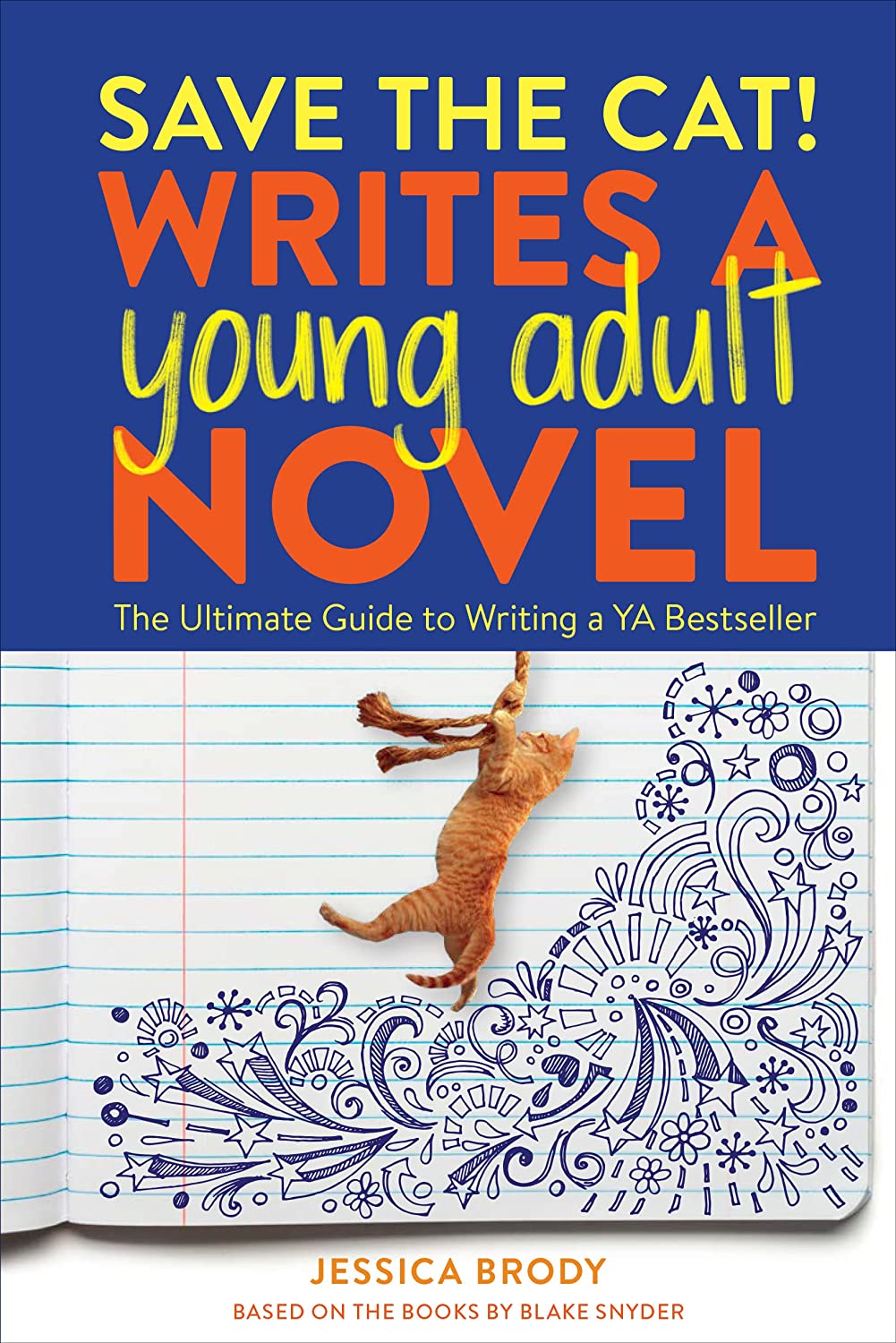
Hello, hello! How’s everyone doing this lovely, toasty day? I ended up with two books to review this month because this one decided to release a week early, so it’s impromptu book review time! It’s a craft book. I don’t know why I chose a craft book, but I did. Mostly because it’s been a while since I read one, I guess. Anyway, Save the Cat! Writes a Young Adult Novel by Jessica Brody was released on July 18th (Dad’s birthday! Happy belated birthday, old man!) from Ten Speed Press. As usual, I must thank them and NetGalley for access to an ARC in exchange for an honest and unbiased review. Let’s do the thing.

Save the Cat! Writes a Young Adult Novel expands on Blake Snyder’s screenwriting guide (Save the Cat!) and tweaks it to make it more easily applicable to YA novels. Along with the expected beat sheets, the author also includes guides to what she calls the ten Save the Cat! story genres. There’s also a chapter dedicated to writing a series and one about creating loglines and synopses when you’re preparing for publication/the agent hunt/whatever you decide to use them for.

The original Save the Cat! is pretty much the only craft book that I remember with fondness. Most I’m either meh about or hate with a passion. This particular craft book is better than most of the ones I’ve read, but I couldn’t get into it when the genres came up (and they’re most of the book). First, the good. I liked the beat sheet. It explains where events usually go and how plotlines merge and diverge and how to make your own beat sheet either before writing, during it, or between drafts. Plus, you can tweak it as needed if your story feels off. It’s a great tool. I also liked that the author discusses how to apply everything to a series and a synopsis. That was all actually very helpful.

My biggest problem with this book was the breakdown of genres. Instead of using traditional genres (fantasy, sci-fi, etc.), the author tries to categorize stories by their essence (rites of passage, buddy love, etc.). That’s cool. I like the idea. But there’s far too much overlap for these genres to be distinct from each other. How do I know? Because a lot of the same books are used as examples in multiple genres. It’s confusing. The author says that’s okay and that many people will disagree as to what books go into which genre, like it’s not a big deal. It’s fine for debates. But she also says each genre needs to include certain things. If my book crosses multiple genres, how do I know what to include? It’s confusing. Especially for newbie writers who might think a craft book is writing law and don’t realize they can break the rules. It’s just too messy for my liking.

The other problem I have with the book is definitely a me thing. I don’t like it when writers use their own work as examples in craft books. It just feels like they’re trying to get me to buy their stuff and they never delve as deeply into their own stuff, like they don’t want to give away spoilers. Meanwhile, they’ve just spoiled every other book they used as examples. This author does it sparingly until the chapter on series which is all about one of her series in the example. It’s annoying to me, but I know most readers don’t care.

As far as the writing goes, it’s a craft book. Starts out a little preachy, but that fades away pretty quickly. Otherwise, it’s long and very repetitive as most craft books are.

Ultimately, I found some useful things in Save the Cat! Writes a Young Adult Novel. It was one of the better craft books I’ve read. Apparently there’s also one about writing novels in general, so I might look that one up.

starstarstarstar outlinestar outline

Overall, I gave it 3 out of 5 stars. Craft books are either pretty good (4), meh(2), or bad (0) to me. This one leaned toward pretty good. If you’re writing a YA novel and you’re stuck, it’s worth having around.

Thoughts on DEAD ELEVEN

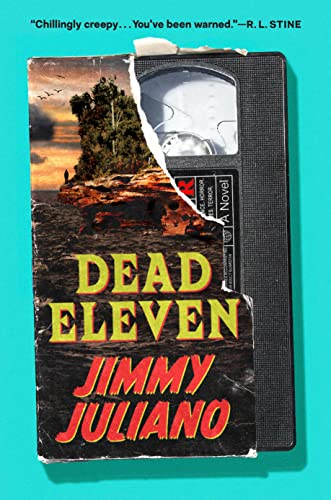
Howdy, howdy! How’s everyone doing this bright and hot Wednesday? Things here are about the same as usual. Luckily, we’re not here to discuss the monotony of life. It’s the last Wednesday of June, so it’s book review time! This month, I decided that something on the horror side of things would be nice, so I requested a copy of Dead Eleven by Jimmy Juliano. It was released yesterday (the 27th) by Dutton (an imprint of Penguin Publishing Group). As usual, I must thank them and NetGalley for access to an ARC in exchange for an honest and unbiased review. Let’s do the thing!

Dead Eleven follows Harper on his search to find his missing sister, Willow. She struck out on a mission of her own, but disappeared from a mysterious island where everyone seems to be stuck in the past, 1994 to be exact, and Harper is determined to find out what happened to her. But he discovers far more than he bargained for in this creepy little place.

The book opens with a note to the reader, which honestly… I almost skipped it. I rarely read stuff like that because it’s usually useless, but I stopped and figured I should at least make sure it wasn’t important. It’s actually part of the book and not something tacked on by the author or the publisher at the last minute, but still. Skip it. I wish I had. It basically just tells you right up front that the ending is going to be vague and unsatisfactory. I didn’t want to keep reading. Vague endings are not my favorite thing, so that little note made me dread going on. Luckily, things weren’t left as open as this implied, but certain things were definitely not wrapped up at all.

Let’s talk structure. This book is set up as a collection of data and anecdotes, so it’s a little strange to get into, but I mostly liked it. There’s one part from the viewpoint of Jennifer Larson-Quint which comes super late in the book and from nowhere. And it ends up being kind of important. She should’ve been introduced earlier and built up a bit. The random appearance felt like an afterthought. But the rest of the data was collected in an interesting way and the layout of everything else felt natural.

Pacing! This book dragged so much and was so very repetitive. It was just far too slow until the last quarter of the book, then things picked up. But combine that with characters who were mostly unlikable and it makes for a tough read. Then, the monster is kind of disappointing. I almost felt like it would’ve been better not to see the actual monster at all. The “dead things” were cool and creepy, but the thing behind them was best left to the imagination, especially since nothing was really done to defeat it. I’m sorry, but I was far more creeped out by what I had conjured in my head than I was by what was described on the page. It was a let down.

As far as the writing goes, it ranged from really good to sleep-inducing slow depending on the sections. Rita only had a couple of sections from her perspective, but they were the slowest. The rest of the viewpoints were okay. The opening (after the note) was weird and worked really well to create interest. I’m not sure I would’ve kept reading if it weren’t for that scene.

Ultimately, I was disappointed by Dead Eleven. I was hoping for ’90’s nostalgia mixed with creepy horror, but there wasn’t really anything nostalgic about it and the horror was meh at best.

starstar outlinestar outlinestar outlinestar outline

Overall, I gave it one star. I started at three stars, but the more I think about it, the more I find wrong with it. I can’t even find a reason to recommend it to others. It just wasn’t very good to me.