Word Count? Who Needs That?

Hello, hello!  It’s that time again.  Today, I want to talk a bit about word count.  It’s a subject that Lew Andrada suggested when I asked for questions and comments and all that.  It’s also a subject I struggle with, because it’s pretty arbitrary.  Anyone you ask seems to have a different answer when it comes to the correct lengths of things.
11223854_1060041724023148_9054797003094347832_n

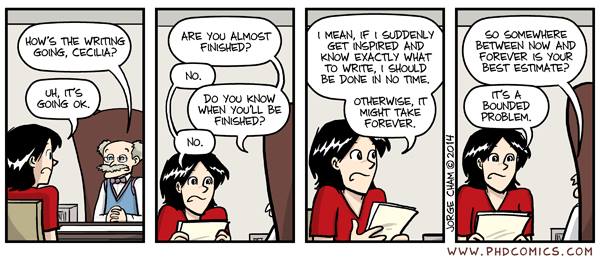
We’ve all encountered a scenario like this one.  I actually kind of think that’s where the concepts of word counts really help (me at least).  It gives me a firm goal to keep in mind and work toward, that way I can have a more realistic idea of how long a project will take me to finish.

So, how do I approach word count?  I keep it simple!  I basically follow SFWA’s counts for the Nebula awards.  In other words, these rules:

Short Story: less than 7,500 words.
 Novelette: 7,500 words to 17,500 words.
 Novella: 17,500 words to 40,000 words.
 Novel: 40,000 words or more.

Adult

Now, I know that “novel” is an extremely broad category that can be broken down by genres or even target audience age.  In fact, the list above is just one example of many break downs you’ll find with a quick Google search.  No, none of them are the same.  Yes, it gets really confusing really fast.  On top of all that, you also have lists for middle grade, young adult, adult, and a relatively new category dubbed new adult.  It’s complicated.  I don’t like complicated things.

In other words, I don’t bother with all of that crap.  My goal is based on my story.  If I’m going for a flash fiction piece (<1000), I usually aim for 900 words.  A short story?  Around 5,000 words.  A novel?  It depends on what it feels like.  I tried for 70,000 to 75,000 for my first novel after tons of research on word count.  It is a supernatural YA, so on top of feeling like a good amount, it also turns out to be a fairly average count for that type of book.  The novel I’m currently working on is different.  I’m going more by my gut for this one.  My current aim is 80,000 to 90,000 just because that’s what it feels like it will need.  I’m sure my past research is playing some kind of unconscious role, but whatever.

656381d6369f3055a37afd96545498b628bd385aef4200e480ec296dbc0773d1

On the other hand, enforcing a word count can lead to fears of rambling.  Don’t worry!  You can fix all of that during edits.  That’s also another factor that goes into choosing my own word count.  I like to choose a middling number, just in case I need the wiggle room.  I have space to brutally cut out all of the nonsense if I need to, but I also have room to fix anything that’s not fleshy enough.

What I mean to say is that word counts are great tools, but don’t let them freak you out.  Let them help you establish a more concrete timeline for finishing your work, but don’t let them rule your work.  Keep it simple and fun, or it’s not worth doing.  At least that’s how I feel about it.  What are your thoughts on word count?
Inspiration! Does It Strike You?

Welcome!  Another question today.  My Minion (Joel Rede) asked me “What inspires you?”  Well, is “everything” an acceptable answer?  At least that’s the immediate answer that usually pops into my head.  However, the more I think about it, the more I go off on a tangent.  More often than not, I’m inspired by a multitude of things all playing off of each other, but sometimes I’m not feeling inspired at all.  So, while I’m going to talk about sources of inspiration for me, I’m also going to address what I do when nothing is striking me.

InspirationI’m easily inspired (it’s awesome, but it’s also a curse because I have SO MANY unwritten or forgotten stories).  I’d say that music has the biggest impact on my writing topics.  Sometimes, it’s a whole song that catches my attention.  A lot of the time, it’s a single line or even just a word that piques my curiosity.  I’ve written a screenplay based on a song, and I’ve written short stories that were inspired by a verse or less.  The mood of whatever music I listen to also has its fair share of influence on my writing.  It’s just one of those things.

Another source of inspiration is people.  I’m a people watcher.  If I’m obviously staring at you, chances are that you’re not even on my radar, but that guy arguing with a tree (or someone hidden by the tree) behind you definitely has my attention.  C’mon.  Who doesn’t want to know why the guy is yelling at the tree nymph?  Scenes like that, ones that probably have a completely reasonable explanation, are the best things ever!  Combine them with snippets of overheard conversations, and you’re golden.  It’s especially amusing if you’re somewhere like an anime convention where you have a lumberjack-looking guy dressed as Sailor Moon flirting with a furry.  I couldn’t make this stuff up.

cosplay-family-guy-sailor-moon-costume_jpg-demotivational-poster
There are, not they are. Yes, I correct grammar on the Interwebz.

The world is full of inspiration if you’re open to it, but what about the days it fails you?  I write anyway.  I’m not a believer in writing only when inspiration strikes, because frankly (and I’ve said this before), the muse is a fickle bitch.  If you wait for her, you’ll never get anything done.  Yeah, you might get 5000 words written one day, but then you’ll hit a month long dry spell.  What’s the good in that?  On the other hand, I don’t advocate writing every single day, so if you’re consistently inspired five days out of the week, go ahead and take those other two days off guilt free.

If you’re like me, and some days the words just won’t come, write them anyway.  It usually happens when I’m between big projects or I’ve hit a spot that I haven’t quite decided how to work my way through.  On those days, I free write.  I let my mind go blank, then write whatever pops into it.  A lot of the time, I just end up writing a three page rant about why writing/certain characters/plotting/whatever sucks.  Sometimes, a sentence will pop into my head and lead to a three page description of a new story or novel.  So, even free writing can lead to inspiration!

Hand with Reflecting Sphere
M. C. Escher

 In other words, whether you find inspiration in music or people or art (another big one for me) or in nothing at all, keep creating.  Maybe one day, you’ll be the one inspiring people.  Maybe you already are and just don’t know it.  Keep it up!

Is Reading Actually Work?

Hello, hello!  I recently asked people on my personal Facebook account for advice on what to ramble about on here, whether they had questions for me, etc.  So far, I’ve received four ideas, which I will address in this and future posts.  But first, I wanted to invite anyone who reads this to send me suggestions or questions or just random comments!  You can do it here on the blog or Facebook or Twitter or whatever.

Q_by_heise
You have questions, yes? Art by Heise (Lian Yan Fang)

The topic I’m going to address today comes from my dad.  Yesterday, I spent a good chunk of my time reading instead of writing, and he randomly asked me if reading was part of my work.  I had to pause, and formulate a satisfactory answer.  He just wanted a yes or no.  Unfortunately, I had to re-convince myself.  It’s something I’ve thought of before and I consistently arrive at the same conclusion, but I always feel kind of weird saying yes, simply because I enjoy reading.  No one actually enjoys “work,” right?  So, how can reading be work?  It is.  I think.

The more I think about jobs, the more I realize that they’re constantly changing, and people have to study to keep on top of it all.  It’s not far-fetched for companies to keep an eye on the competition (also known as other companies).  Well, in the writing field, your “competition” is other writers!  What better way to keep track of what everyone else is doing than by reading their stuff?  At least that’s how I rationalize reading current authors.  It’s studying!  It’s not my fault that my studying involves zombies and werewolves and fun stuff like that.

And anime/manga. I get to study that too.

Actually, studying applies to basically all of my reading.  When I read the classics, I’m studying form or the craft or whatever you want to call it.  That pretty much goes along with any author, current or past.  I blame Stonecoast.  I used to read just for fun, but once I had to focus on certain aspects (characterization, pace, diction, the list goes on), it took over my entire reading life.  I can no longer open a book without noticing parts of the craft that the author excels at (or fails miserably at).  In that way, reading definitely gets tedious if I don’t enjoy the story enough to override all of that.  Those books are most certainly work, but I can’t forget that I get something from every book.  I learn things.  That sounds like good work to me.

One last reason that reading is work for a writer is actually the most obvious.  Writing often requires knowledge outside of the author’s wheel house.  This means they have to study those things, and if they can’t do so with a more hands on approach, they have to read about them.  For example, I write about serial killers every so often.  One way I prep for such stories is to brush up on psychology.  Granted, I studied the field in undergrad, but terms are always changing and I know very little compared to people who spent years studying it.  I do this because I get irked by authors who obviously have no idea what they’re talking about.  So, if you’re writing about something and only have a vague idea how it works, please go read up on it.  Google makes this fairly easy.

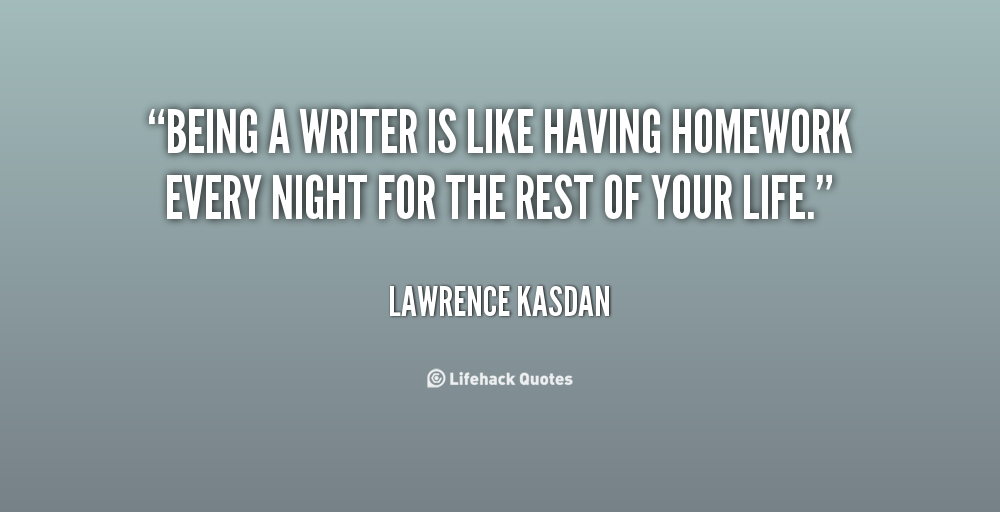
quote-Lawrence-Kasdan-being-a-writer-is-like-having-homework-21729
It’s not wrong.

So, what does all of this mean?  Basically, there’s more to writing than just the words you put on the page.  It requires studying, which means it requires reading.  It’s all part of a writer’s job.  At least that’s my take on it.  What do you think?

Bridging the Gap: Moving from Piece to Piece

Hello there!  I was going to do another food blog this week, but I think I’ll save it for next week.  Since I recently sent my novel out to readers for feedback, I’ve forbidden myself from even looking at it (it’s not fair to my readers if I change things before they have a chance to critique what I’ve sent), so I’m trying to work on a collection of fairytale retellings.  Trying being the operative word.  So, I want to talk a little about shifting gears for new pieces.

Back when all I wrote were short stories, I had very little problem switching to a new project, but things have changed.  I don’t know if it’s just because I’ve spent so long in my novel’s world or what, but this is basically the most terrifying thing in my world right now.

blank-page1
A wild blank page appeared!

Yes, a blank page.  I have ideas galore, but when I see this, they all up and run away on me.  I can’t be the only one with this problem, right?  So, how do you deal with it?  (Legit asking because I’m still trying to figure it out.)  Also, why is it so scary when you have a plethora of ideas to work on?  Don’t get me wrong, I don’t sit down and let the ideas duke it out as I stare at the page (that’s even scarier), I pick one and sit down with the intention of focusing on it.  It’s a very confusing time for me.

I’ve tried a couple of tactics to combat the blank mind as well as the blank page.  The first thing was to take a day away from writing.  Normally, a day without writing is enough to recharge and start building new stories in my head, but the blank page prevailed.  My second go-to plan is to suck it up and push through it.  So far, this has gotten me 1500 words over three days (no, that’s not good!).  It’s like pulling teeth to get the words out, and it’s getting harder instead of easier.

scrat-screaming-o
Them feels, though.

Don’t worry.  I didn’t come here just to complain, I came to share tactics for moving on.  The ones above just didn’t work for me this time.  Next up, after I force my way through the current story of doom, if I’m still having issues, I’ll revert to free writing and using writing prompts until jumping around feels natural again (plus, I’ll get new story ideas if I’m lucky).  The only reason I didn’t try this first is because I’m not a fan of aimless writing.  It feels like I’m wasting time, even though I know that’s not the case.  In other words, even if you’re like me and think everything should work towards something, but you’re struggling, try the aimless course.  No pressure words tend to flow easier.  Use it to your advantage.  And bonus: you get new story ideas!

Another thing…  Part of me wonders if it would be easier to start something new if it was in the same world as the last, like a sequel or something.  I suppose I’ll find out one day.  Enough about me, what about you?  What are your tactics for switching between projects?  Feel free to share!

Revision: Why So Serious?

Welcome, new and old visitors!  I noticed that I have a few strangers stalking me, so first things first… It’s nice to meet you!  Thank you very much for taking time out of your busy day to check out my ramblings.

giphy

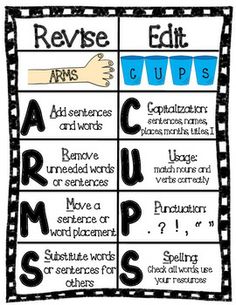
On to today’s topic of choice, revising (also known as majorly editing your own work).  I know a lot of people who seriously despise the whole revision process.  I used to be one of them.  It was tedious and boring and the words we write should be perfect the first time around, right?  Wrong!  Once I actually started editing my work for more than spelling and grammar (in case you haven’t noticed, I use revising and editing interchangeably since I do both at the same time.  See the chart below for the difference), I realized that it was really only tedious and boring in spots because the story itself was bogged down or too light in those spots.  In other words, the original writing wasn’t perfect, thus revisions were needed.  It’s a vicious cycle, I know.

fb93273bb56ed0008508b3cfbf224e85

Over the last couple of years, I’ve actually learned to enjoy revising my work.  Not just because I know everything will be better for it, but because it can be fun.  The key is to not take it so serious.  Sometimes, it will take multiple revisions to mold a story or poem or whatever into something you deem presentable.  That’s okay!  So, here are the top three reasons I like revising.

1.  The story is most likely done, so there’s no pressure to find an ending!  You’ve got one.  Now, it’s about polishing the words on the page to make everything make sense.  You already know where the story’s going, you just have to fill in the plotholes and give the reader a smooth ride.

g1369835064834171706

2.  Nothing is set in stone!  You can make all the changes you want.  If you don’t like a change you made, change it back.  See a major flaw?  Guess what!  Revision is your chance to fix it.  Don’t like that adjective?  Find a new one.  Think a character needs to be removed?  Do it.  This is your chance to fix all the things, big and small.

3.  Lastly, you have a chance to look objectively at your work.  I know that sounds like utter BS to most writers, because we’re so invested in our characters’ lives during the writing process that they become special to us.  However, it’s important to get some distance, then honestly evaluate your own writing.  It not only makes for a better story, but if we recognize our weaknesses, it makes handling criticism a whole lot easier.  You don’t want to be like this cat.

Funny-pictures-cat-threatens-to-edit-your-face

As much as I have come to like the revision process, I want to conclude with a word of caution.  I know I said not to take the process too seriously, but you also can’t take the end result too serious.  We all strive for perfection (which is great and all), but don’t let it stop you from getting your work out there.  I’m sorry to say that there will always be someone who doesn’t like your writing.  No matter how much you change, it’s not going to please everyone.  As long as you like it, it doesn’t have to be perfect.  Imperfection is a wonderful thing!  It makes it real.

On Incentives and Rewards

Hi again!  Since I finished the first draft of my novel last week (no, not an April fool’s joke!), I thought I’d talk a little bit about incentives and rewards in writing.  This all came about because a friend asked me what I was going to do to celebrate, and I had zero ideas.  Apparently a lot of people set up small rewards (or large ones for bigger feats) for each step they complete.  Of course I have a reward picked out for a challenge as big as my first pro pay publication, and I have my daily incentives, so why didn’t I have anything ready for something like finishing a draft?  It’s a big step.  It deserves to be celebrated!

canstock9633501So, I want to list some of my personal incentives for different occasions, and encourage you to create your own.

Daily Rewards: These usually include things that I would do whether or not I had daily goals to meet.  Watch anime, play games, eat a piece of chocolate.  Little things like that make the idea of sitting down to write more fun.  Think of it as a little paycheck each day!  It’s something to work for.

choc Finished Draft/Major Edits Rewards: These are major milestones for a writer.  I’m a little ashamed to know that I didn’t plan anything for my first one.  I did take the day after off, but that was nothing special.  Luckily, a friend invited me and my dad to the Rocky Horror Picture Show, so I’m calling that my reward.  I’m also making a list of potential days out for future reference.  These accomplishments are definitely worthy of a concert or movie or trip to a museum or arboretum or something.

rhps1

Publication Rewards:  These should be something special.  I know some people who have parties or go on trips, and others who splurge on nice dinners.  A weekend getaway or fancy meal sounds wonderful to me.  Personally, I’m considering a tattoo for my first paying publication.  It’s something I’ve wanted for a while, but never really had the courage to go through with (I’m not too fond of needles).  Maybe getting published will be the special moment I need to push me forward with it.  If not, a fancy dinner and maybe some dancing works just as well as a reward!

Sakura Tattoo
By Stephanie Mindzak

I’m sure there are other accomplishments that need to be celebrated in a writer’s life, like being translated into another language, but I’m nowhere near that level yet.  When I get closer, I’ll be sure to think of incentives and rewards for those things as well.

Since a writer’s pay isn’t exactly regular, it’s good to come up with your list of awards ahead of time.  Not only as incentives to complete the difficult (sometimes eye twitch inducing) work, but also so you can save up for them.  And remember that the bigger the goal, the more special, and possibly personal, the reward should be.  It can be as simple as watching the sunrise or extravagant as a five star dinner.  That’s up to you.  Have fun with it!

A Day in the Life

Hello all!  So, I was chatting with the beautiful Danielle Rose, trying to come up with a topic for this week’s post.  She suggested I talk about my routine a little more, even going as far as telling you about my usual day.  In other words, blame her for this.

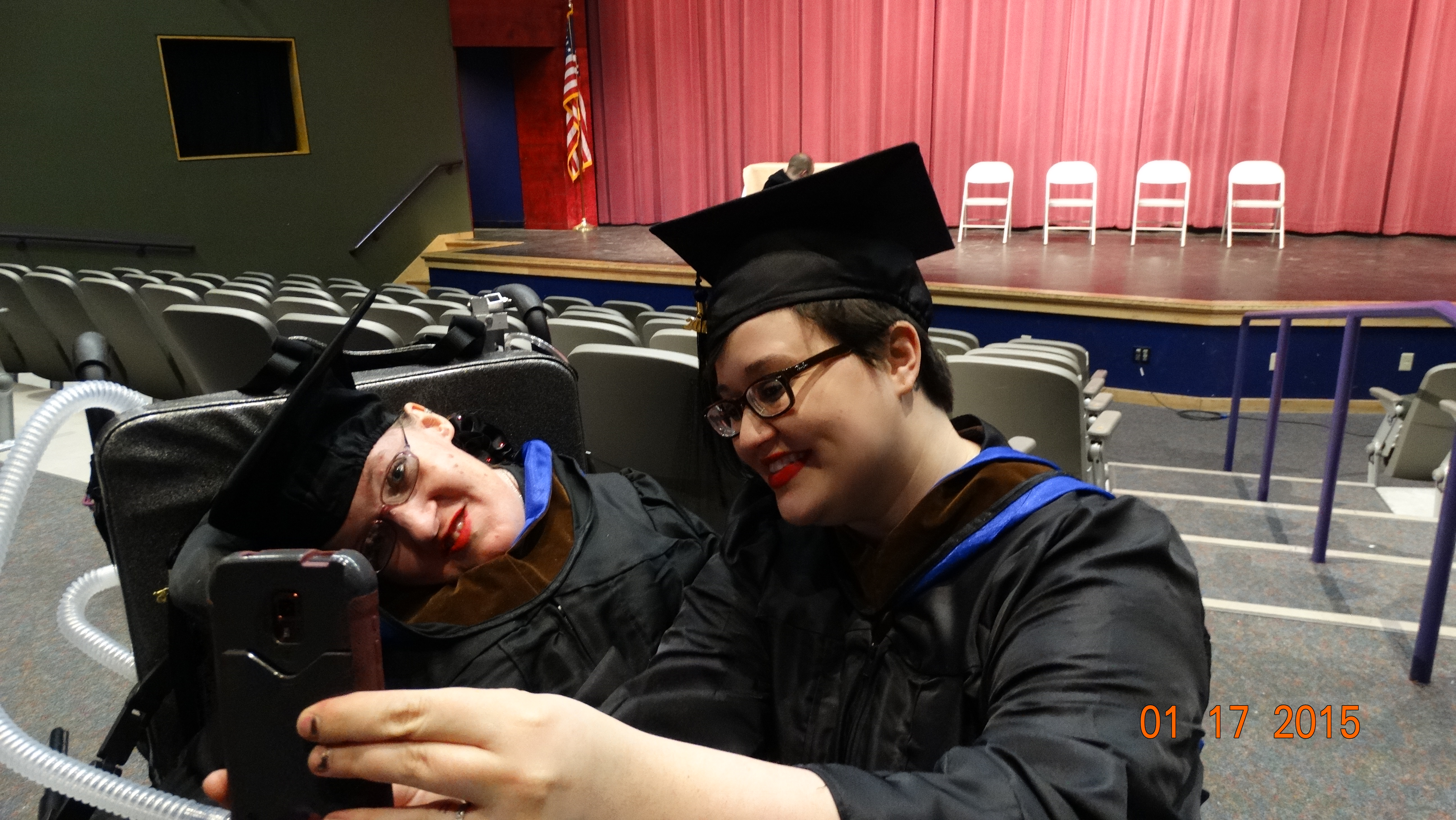
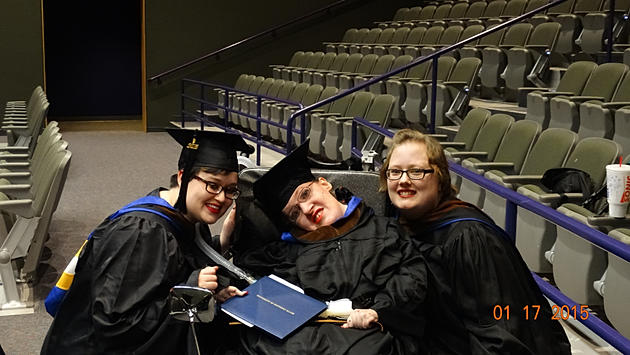
Graduation selfie with the culprit

Honestly, today (Tuesday, March 17, 2015) was really hard writing-wise, so I suppose it’s as good a day as any to use.  My daily routine always starts with the hour and a half+ long process of getting out of bed and into a presentable state.  I won’t bore you with the details.  Anyway, I’m usually up and active by 1:30 or so.

At this point, I usually putz around on Facebook and check my personal email and all that fun stuff, or I work on a crossword puzzle.  Today I did all of the above.  I also started playing that stupid trivia game that’s so popular right now.  Trivia Crack?  Whatever.  It’s basically multiple choice Trivial Pursuit.  So, that also took up some time before breakfast.

lesion-clipart-39056-clipart-illustration-of-a-stack-of-five-square-waffles-garnished-with-whipped-cream-maple-syrup-and-berries_450Again, I eat food instead of modeling it.  Breakfast is usually about an hour, and it’s TV time #1 of my day.  Afterwards (around 3:00, 3:30), it’s supposed to be time to work.  Some days go better than others.  Today was not one of those days.

I stared at the page for a few minutes, then said screw it, and gave myself until 4:30 to work on the crossword (that was less than half an hour).  Then I stared at WordPress for a while.  Sometimes, if I write the blog post first, it gets me in my writing rhythm.  That didn’t work.  So, I read through the last chapter I had written, all the way to the point where I had stopped.  Again, this is a technique to get the writing juices flowing.

creativejuices1It kind of worked.  I got down a couple of hundred words, then remembered that I hadn’t posted on my social media author profiles.  I gave myself ten minutes to find something and get it shared, then back to writing.  I got another hundred words down, then took another five minutes break.

Normally, I’m done with my words around 6:00.  Today, dinner rolled around (7:30ish) and I still wasn’t done.  I took the hour break and instead of hanging around for the usual couple of hours of TV, I went back to work.

That was when I hit my stride.  Granted, I ended the day with only 905 words on the novel (it’s over my 900 words goal, so it counts) around 9:30, but I did it.  Then, I came here to write this post (another ~500 words)!

The point is, it took me for-freakin’-ever, but I didn’t give up.  I set my goals and I met them.  You can do it too!  Even with unplanned for distractions last week (babysitting), I managed to meet my goals.  It helps to have people who support you and help you out.  It also helps that I have nothing else to do.  However, look at all the breaks I took!  Maybe writing can be done when you’re avoiding your responsibilities (we all do it, it’s okay).  Take a break, write some words, have fun!

Top 5 Distractions and How Not to Avoid Them

 Welcome!  Last time, I talked a little about creating a writing schedule, so I thought I would discuss distractions a bit.  Now, I know people who swear by eliminating ALL distractions, even if that means cutting off all those fancy electronics they’ve collected over the years.  I’m not one of them.  Personally, I believe in indulging those procrastination itches in moderation.

displayI’m going to go through the top five instances of procrastination (and yes, realizing that that’s what they are is half the battle) I face or hear about , so I can show you what I mean by “moderation.”

1.  Let’s start with the hardest one: Social Media.  Who really goes more than half an hour without checking the Book of Faces or Tweeter or whatever social site is hot that week?  It’s damn near impossible.  I know.  I get those urges, even when I know I’m supposed to be writing.  I don’t suggest going cold turkey.  If you’re anything like me, ignoring the urge only makes you fixate more.  I moderate things by only allowing myself a five minute break when I hit a lull in writing.  Even then, I limit myself to checking my professional accounts or my writing group.  Otherwise, I’d get sucked down the rabbit hole.

down-the-rabbit-hole 2.  The most annoying of all: Calls/texts.  It’s not annoying because of the people (unless they know it’s your writing time and do it anyway), but because we have this weird desire to know who did what when.  Personally, I keep my phone in sight.  I allow myself that half-second glance to see if it’s important.  If it is (it rarely ever is), I respond.  If it’s not, I write on, assured in my knowledge that I’m not missing anything important (aka everyone I know is safe and nothing life-threatening is happening)!

3. Music.  I classify this as a distraction because many people think it is.  I allow it to play while I work.  Once I get into a scene, nothing can really pull me out of it.  If you’re the type to get easily distracted by music, but still want to listen while writing, I suggest instrumentals or something in a language you don’t speak.  That way, you’re less inclined to sing along and lose focus.

GTGKW4. TV Shows.  I rarely get this urge, but I know it pesters a lot of people.  When it does strike during writing hours (or bursts or however you write), if I’m in a lull (always wait for a lull), I let myself look at the episode description and remind myself that watching that episode will be my reward when I’m done doing productive things.

5.  Food and drink breaks.  A lot of people I know sit down to write and are suddenly overwhelmed with hunger or thirst.  Lies!  It’s just your brain saying “Waah… I don’t know what to write.”  My advice, keep a drink with you and keep snacks in your writing area.  My chocolate and Pocky stashes are on my desk.  Pick something bitesized and keep it nearby.

I guess what all this is meant to convey is that you don’t need to eliminate distractions.  In my experience, it’s better to acknowledge and moderate them.  All work and no play makes work freakin’ unbearable.  Just make sure to limit yourself so you still get your work done!

Schedules vs. Spontaneity

Hello all!  Today, I want to talk about having a schedule vs. being spontaneous when writing.  I chose this topic because I hear a lot of people complain about not having time to write or not being able to find the words when they do have the time.  I’ve also found that, more often than not, these people don’t have a writing schedule.  Some people can make the whole spontaneous writing lifestyle work, many can’t.  That’s okay!

6599031

Personally, I have a schedule that has some spontaneity built into it.  I write five days a week.  Never on Sunday.  That extra day off, I decide based on 1) whether I have anything to do during that week that will require a day off, or 2) how I feel any given day.  I tend to try to save that day for later in the week, even Saturday if I feel like it.  That’s where the spontaneity fits into my writing schedule.

Now, I’m lucky in a lot of ways because I don’t have a full schedule in the first place, so my life can revolve around my writing.  Many aren’t so lucky.  However, while they’re complaining about not having time to write, they’re surfing Facebook or watching Netflix or any other number of entertainment tasks.  Yes, entertainment is important.  You need time to relax, which is why taking days off is important, but if you can binge watch your favorite show on Netflix, then you can schedule some writing time!

20120527-133425

 For a long time, I was a spontaneous writer.  I used every excuse in the book to avoid writing, including that the Muse is a fickle bitch (an excuse I hear repeatedly).  I admit, even after two years on a schedule, I still have days where it’s hard to get started.  In the beginning, I spent more days free writing than actually working on specific projects, but even that kind of writing was productive.  From that, I can now say I have four ideas for future novels.  And now that I’m on a schedule, when I sit down to write, it’s much easier to actually do the writing (even on difficult days).  Writing, like anything else, becomes a habit if you do it enough.  You just have to train your brain into thinking “oh, hey, this is when we write.”  Yes, you will have crappy days, but craptastic words can be edited into something magnificent, zero words can’t!

026

I guess what I’m trying to say is, if you’re having a hard time finding time to write, take a good look at your daily schedule.  Yeah, you might have to DVR that episode of Bones and watch it on your day off, but BOOM!  There’s an hour for writing.  Going to play that video game for fifteen minutes?  Wait until your day off and surprise!  (If you’re anything like I used to be when gaming, fifteen minutes = three hours) You have three hours to write!  Yes, it’s hard.  Especially nowadays, when instant gratification is so easy to achieve.  But if you can stand to put off the entertainment for even a little while, you can make your own writing schedule.  It seriously helps.  Go on.  Try it. 

Talking to the Voices

I have returned!  I was away most of January, so that I could participate in my final residency at the Stonecoast MFA program.  I graduated with many mixed feelings, which I will talk about at a later date.

I actually came away from residency with many ideas for this blog o’ mine, which I will mention at the end, but first, I want to get into today’s topic.  The voices in my head!

A lot of people ask me how I come up with my characters, but the truth is, I don’t really know.  They almost always start as a nagging voice in my head (at least the main characters do).  It’s going to sound crazy, but I talk to these voices and most of them won’t go away until I write their stories.  I talk with them for many reasons, not just to learn their stories, but to learn their voices.  Their likes and dislikes.  What kind of person they are.

I fully admit that this can be both a blessing and a curse.  Sometimes, I get attached to certain voices and put off writing their stories, because I don’t want them to disappear.  I’ve only really mourned the loss of a couple of voices, but it’s still a sad process.  On the other hand, it makes for some unique characters.  I have less trouble getting into the voice when I’m writing.

Do you talk to the voices in your head?  If not, I certainly encourage it.  Yes, we might come off as a bit eccentric, but what writer isn’t?

I think I’ll leave it at that for today.  Before I sign off completely, I want to talk about “what’s next.”

1.  I’m seriously considering moving my blog to a different platform (most likely WordPress).  Would anyone have any objections to that?  I know I don’t have many readers, so I feel like now would be the optimal time for such a switch.

2.  This will soon be a weekly blog!  Every Wednesday, I will be posting, starting on February 11th.  People have requested that I post my graduation speech, so that’s coming up next week.

3.  I’m hoping to form a more cohesive blog, so forgive me as I dabble in different topics until I find the one for me.

That is all.  If no one has argued otherwise by February 11th, I will see you on WordPress!