
Howdy, howdy! How’s everyone doing this lovely Wednesday? Things here are okay, I guess. We had a nice little BBQ with the Minion, his wifey, the family, and the new neighbors across the street on Saturday. Other than that, things keep going wrong for Dad and I’m dealing with government bullsheet surrounding my benefits. Because of that, I forgot July is Disability Pride Month. I’m not feeling very pride-y. Every time I finally feel like my benefits are settled and I’m coasting along, the government decides to “improve” something that screws everything up. And it doesn’t help that I have to fight for everything I need. I’m dreading the upcoming election. If Cheeto gets in and that Project 2025 gains traction, everyone is going to be screwed except maybe super rich white folks. So, even though I’m not a fan, fingers crossed for Biden and the status quo! But I’m starting to ramble. This is your yearly reminder that Disability Pride Month exists. Disabled people are worthy of all the same things “able” people are. We are not burdens or drains on society or dirty little secrets. We are human beings. And, according to WHO, approximately 1 in 6 people are significantly disabled and that number is rising. Yay for fun facts!
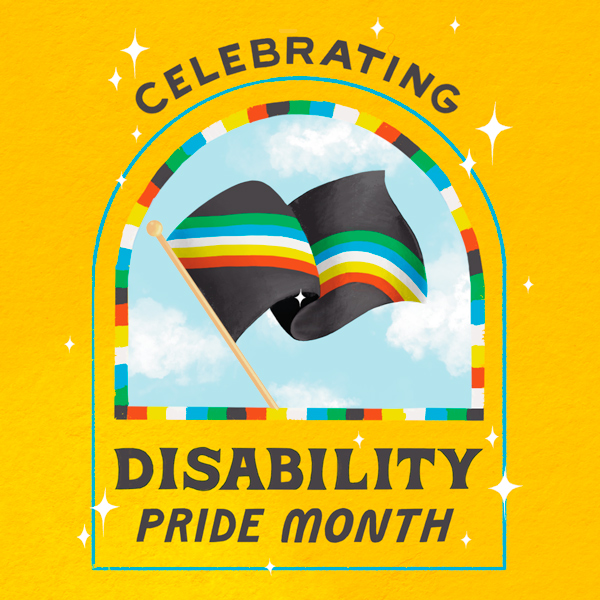
Anyway, I decided to share an explanation of the Disability Pride flag. I might have done this before, but I’m too lazy to check my previous post.
Ann Magill’s original idea contained bold colors and a zigzag design, but after complaints from individuals with sensory issues (the design triggered migraines and created a strobing effect when scrolling), she revamped the idea with straight lines and muted colors that were grouped differently to avoid the negative effects. Here are some of the meanings behind the flag:
Black: The black background symbolizes the mourning of disabled people who have been victimized by ableism or lost to disability-fueled violence, abuse/negligence, and death.
Diagonal stripes: The stripes cut through the darkness (i.e., barriers).
Multi-colored: The disability pride flag includes all six standard international flag colors to indicate that the disability is a global thing.
Green: Sensory disabilities (blindness, deafness, lack of smell, lack of taste, etc.).
Blue: Psychiatric disabilities (anxiety, depression, etc.).
White: Invisible disabilities and/or undiagnosed conditions.
Gold: Cognitive and intellectual disabilities. Neurodivergence.
Red: Physical disabilities.
 Shawna's Blog of Doom